Trading Explained Step-by-Step for Beginners to Build a Solid Foundation
Trading is the process of buying and selling financial instruments like stocks, options, and futures to profit from market movements. For beginners, trading might seem complex, but starting with the right knowledge and tools can build a strong foundation. Effective trading involves learning market basics, managing risk, and developing discipline. To begin trading confidently, it’s important to understand key concepts and use reliable platforms such as Crystal Academy which offers educational resources and community support.
What Trading Actually Is and What It Is Not
Trading is not a get-rich-quick scheme; it is a skill developed through patience, study, and practice. It involves speculating on short-term price movements to make profits. Unlike investing, which focuses on long-term growth, trading requires active management and understanding of market patterns. Beginners should avoid myths like needing large capital to start—successful trading can begin with as little as $300 to $2,000.
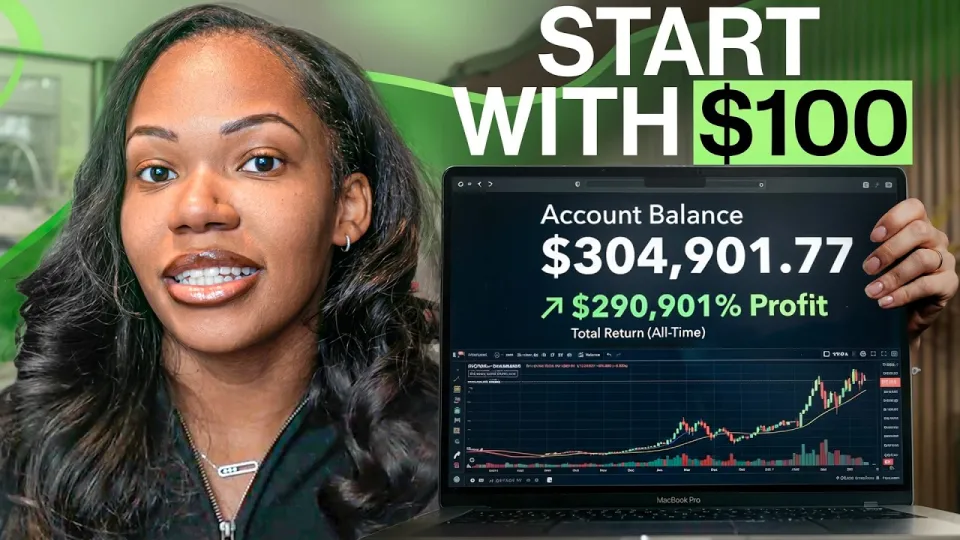
Video: How To Start Trading As A Beginner In 2026 (Step-by-Step)
Understanding Calls and Puts in Plain English
Options trading is a popular method for beginners due to its flexibility. A call option gives the right to buy an asset at a set price before expiration, while a put option gives the right to sell. Calls are used when expecting price increases, puts when expecting decreases. Understanding these basics helps traders manage risk and create strategies tailored to market conditions.
Options vs Futures and Choosing What Fits Your Schedule
Options provide limited risk (only the premium paid) and various strategies, suitable for many beginner traders. Futures contracts obligate buying or selling an asset at a future date and can involve higher risk and margin requirements. Beginners should consider their time availability and risk tolerance; options often fit better for those balancing trading with other commitments.
Essential Tools: Broker and Charting Platforms
Choosing the right broker is crucial. Platforms like Webull offer user-friendly interfaces, free stocks for new users, and low fees, making them ideal for beginners. For technical analysis, TradingView is a popular charting platform providing detailed candlestick charts and market structure insights. Using these tools daily helps traders analyze trends and make informed decisions.
Three Key Concepts Every Beginner Must Master
- Risk Management: Never risk more than a small portion of your capital on a single trade.
- Market Structure: Learn how to identify trends, support, and resistance levels.
- Trading Psychology: Maintain emotional discipline to avoid impulsive decisions.
- Mastering these areas significantly improves the chances of consistent profitability.
Why Most Beginners Quit and How to Avoid It
Approximately 90% of new traders quit within two months due to losses, unrealistic expectations, or emotional burnout. To persevere, start with paper trading—practice trading with virtual money to test strategies without risk. Set realistic goals, be patient with progress, and join supportive communities like Sierra Aaliyah’s Discord to stay motivated and learn from others.
Common Beginner Questions and Concerns
Many beginners struggle with chart reading and consistent profits. It’s normal to face losing streaks early on—success comes from continuous learning and adaptation. Avoid reacting to every market fluctuation; focus on higher timeframes and institutional flow to reduce stress. Consistent profitability is achievable but requires time, effort, and a solid plan.
Useful Links
- Join Crystal Academy for trading education and mentorship: https://whop.com/c/crystal-academy/youtube
- Sign up for Webull and get free stocks: https://www.webull.com/k/SierraUSA
- Sierra Aaliyah Instagram: https://www.instagram.com/sierra.aaliyah/
- Sierra Aaliyah TikTok: https://www.tiktok.com/@sierraxliyah
Conclusion
Starting trading as a beginner involves learning the basics of financial markets, mastering options and futures, and using reliable tools like Webull and TradingView. It’s essential to practice with paper trading, manage risks carefully, and develop strong trading psychology to avoid the common pitfalls that cause many novices to quit. The journey requires patience and persistence, but with the right guidance and community support from resources like Sierra Aaliyah’s Crystal Academy, building a profitable trading career is attainable. For comprehensive learning and mentorship, consider joining the Crystal Academy community here.
Key takeaways
- Start with $300–$2,000 when beginning trading.
- Paper trading is essential before risking real money.
- Understand calls vs puts and options vs futures.
- Use platforms like Webull and TradingView for trading and charting.
- Most beginners quit within 2 months due to lack of proper preparation.
Questions & answers
Is it necessary to have a large amount of money to start trading?
No, you do not need a large sum to begin trading. Starting with $300 to $2,000 is recommended for beginners to manage risks effectively while learning.
What is paper trading and why is it important?
Paper trading involves practicing trades using virtual money, allowing beginners to test strategies without risking real capital. It builds confidence and skill before investing real funds.
What are the main differences between options and futures?
Options give the right, but not the obligation, to buy or sell an asset, limiting risk to the premium paid. Futures require the obligation to buy or sell at contract expiration and often involve higher risk and margin requirements.
How can beginners avoid quitting trading within the first two months?
To avoid quitting, beginners should set realistic expectations, focus on learning and risk management, practice with paper trading, and seek support from trading communities to stay motivated and improve skills.
Source: How To Start Trading As A Beginner In 2026 (Step-by-Step) · Markdown version