7 Steps to Start Trading Futures Live With a Prop Firm Account
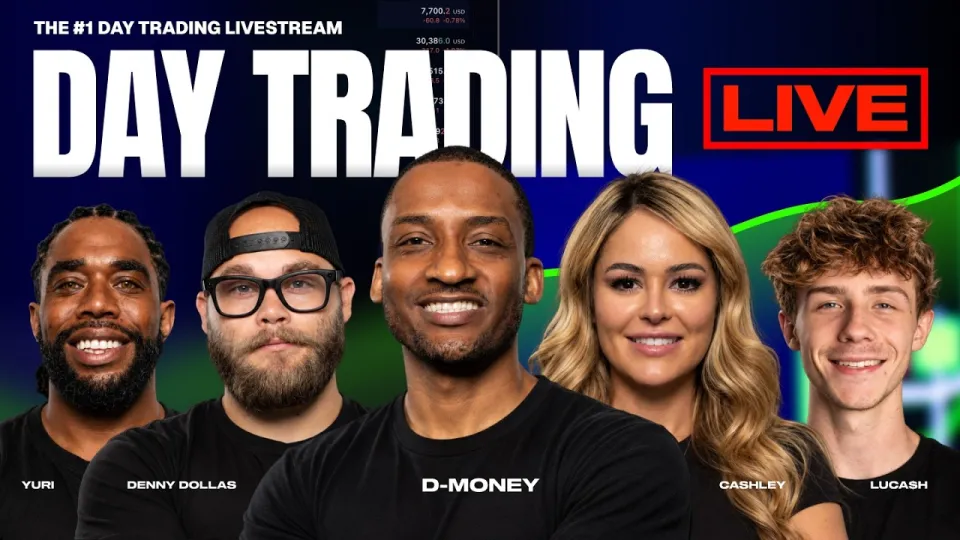
Video: LIVE DayTrading! #1 Watched Futures Trading Show!
You can order the same kind of articles for your own video to boost it on YouTube and Google. Just message the Telegram bot @sat_sit_bot. Articles with your video embedded are written and posted by the bot itself — on popular topical sites (no ads). Free trial — 50 articles.
Trading is the practice of buying and selling financial instruments to profit from price moves, and in the futures day trading niche it usually means executing short-term trades on index, energy, or metals contracts through a prop firm account. A prop firm gives you access to a funded account after you pass an evaluation, so you can trade someone else's capital while keeping a share of the profits. The fastest way to learn how this works is to watch live sessions and then replicate the process step by step.
Live futures shows such as the BDH Day Trading Floor stream every trading day from South Florida and California, with hosts Patrick Wieland, Damareous Young, Lucas Kennard, and Denny Jones trading in real time, reviewing prop firms, and answering viewer questions. That format is useful because it shows the boring parts too: waiting for setups, managing risk, and sticking to a plan.
How live futures trading actually works
Live futures trading means placing orders on contracts like the E-mini S&P 500 or Nasdaq during the active session, with real money and real consequences. Unlike a recorded tutorial, a live stream shows the decision-making process as it happens: where the trader enters, where the stop sits, and how they react when the market moves against them. That transparency is why the format has become so popular in the prop firm community.
The trade-off is that live streams are unstructured. You will see giveaways, affiliate mentions, and long stretches of waiting. The value comes from watching how a professional handles a losing trade, not from copying a single entry. Treat the stream as a classroom, not a signal service.
What a prop firm account gives you
A prop firm account is a funded trading account that a company provides after you prove you can follow rules. You pay an evaluation fee, hit a profit target, respect a daily loss limit and a maximum drawdown, and then receive a funded account with a profit split. This model lets new traders access size they could not afford on their own.
Firms frequently mentioned in the futures space include Lucid Trading, TakeProfitTrader, Apex Trader Funding, Tradeify, Legends Trading, BluSky Trading, TradeDay, and MyFundedFutures. Each has different rules on trailing drawdown, news trading, and payout schedules, so comparing them before buying an account matters more than chasing the cheapest fee.
7 steps to start trading futures live
- Learn the instrument. Futures contracts have tick values, margin requirements, and session hours. Know exactly what one tick is worth on the contract you trade before you risk a dollar.
- Pick a strategy and write it down. A repeatable setup with defined entry, stop, and target beats improvising. Patrick Wieland teaches the strategy he trades live on stream in a two-hour course priced at $99.
- Choose a prop firm that fits your style. If you scalp during news, avoid firms that restrict news trading. If you hold longer, check the trailing drawdown rules.
- Pass the evaluation with small size. Most failures come from oversizing on day one, not from a bad strategy.
- Set hard risk limits. Decide the maximum loss per trade and per day before the session starts, and stop when you hit it.
- Trade the live session, not the replay. Real fills, real slippage, and real emotion are the only way to test whether your plan survives contact with the market.
- Review every session. Log each trade with a screenshot, note what worked, and cut the setups that keep losing.
Common questions from new live traders
New viewers often ask which setup a streamer is using or where they can buy it. The honest answer is that the setup matters less than the execution rules around it. A simple breakout or pullback entry with strict risk control will outperform a complex system applied inconsistently.
Another recurring question is whether you can copy trades from a live stream. Copy trading exists, but by the time a stream shows an entry, price has usually moved. Use the stream to learn the logic, then practice on a simulator or a small evaluation account until the process is automatic.
Beginners also worry about the monthly cost of evaluations. Treat it as tuition: one failed evaluation costs less than a blown personal account, and the rules force discipline that most self-directed traders never develop.
Risk rules that keep prop accounts alive
Risk management is the difference between a funded trader and a former funded trader. Most evaluations fail because of a single oversized trade, not a string of small losses. A practical rule is to risk no more than one to two percent of the account per trade and to stop for the day after two consecutive losses.
Daily loss limits and trailing drawdowns are the two rules that end accounts fastest. Read them carefully: some firms trail your drawdown as you profit, which means a winning day can still put you closer to failure. Build your position size around the worst-case rule, not the best-case scenario.
Tools and community around the futures niche
Platforms, data feeds, and communities matter as much as the strategy. Most futures traders use a charting platform with footprint or order flow tools, a reliable data feed, and a Discord or live chat where they can ask questions during the session.
Free resources exist too. Comparison sites such as onlypropfirms.com aggregate prop firm reviews, discounts, and account comparisons, which saves hours of research before you commit to an evaluation. Following a channel like Patrick Wieland's gives you a daily look at how a professional trader applies these tools in real time.
What separates profitable live traders from the rest
Consistency, not intensity, is what separates profitable live traders from the crowd. The traders who last treat every session as a data point: they take the same setups, size the same way, and review results weekly rather than reacting to a single red day.
Patience is the second differentiator. Live futures trading involves long periods of doing nothing, and forcing trades during those periods is the most common way to give back profits. Watching a live stream teaches this rhythm better than any book, because you see professionals sit on their hands for an hour before taking one trade.
Final thoughts
Trading futures live with a prop firm account is a process, not a shortcut: learn the instrument, pick a repeatable strategy, choose a firm whose rules match your style, and protect the account with strict risk limits. Live streams from the BDH Day Trading Floor, hosted by Patrick Wieland and his crew, offer a realistic view of that process every trading day, including the losses and the waiting. Use them as a classroom, compare prop firms carefully, and treat every evaluation fee as tuition rather than a lottery ticket. Done consistently, those seven steps turn a hobby into a structured trading routine.
Key takeaways
- Live futures day trading streams like Patrick Wieland's show run every trading day and combine real-time execution with market analysis and prop firm reviews.
- Prop firm trading lets you trade a funded account after passing an evaluation, with profit splits and a monthly fee instead of risking your own capital.
- Popular prop firms referenced in the futures community include Lucid Trading, TakeProfitTrader, Apex Trader Funding, Tradeify, and Legends Trading.
- A typical evaluation requires hitting a profit target without breaching a daily loss limit or trailing drawdown.
- A structured course teaching a repeatable strategy is priced at $99 on onlypropfirms.com, alongside free prop firm comparisons.
Questions & answers
What setup is the streamer using in live futures trading sessions?
Streamers typically trade a small set of repeatable setups, such as breakouts, pullbacks, or opening range plays, rather than one secret pattern. The exact rules are usually explained in a paid course or during the stream itself. What matters more than the setup is applying it with consistent entry, stop, and target rules.
Where can I buy the setup taught by Patrick Wieland?
Patrick Wieland teaches the strategy he trades live on stream in a two-hour course available through onlypropfirms.com for $99. The course covers the entry, stop, and target rules he uses on futures contracts. Buying the course does not guarantee profits; you still need to practice and manage risk.
Do I need my own capital to start day trading futures?
No, many traders start with a prop firm evaluation account, which costs a monthly fee instead of requiring a large personal balance. After passing the evaluation, you trade the firm's capital and keep a profit split. However, you must follow strict daily loss and drawdown rules or lose the account.
How much can I lose before a prop firm fails my account?
Each firm sets its own daily loss limit and maximum trailing drawdown, often a fixed dollar amount or a percentage of the account. Breaching either rule usually ends the evaluation immediately. Read the specific firm's rules before trading, because trailing drawdowns can tighten as your account grows.
Source: LIVE DayTrading! #1 Watched Futures Trading Show! · Markdown version